Holding a valid visa used to be the final hurdle for entering Ho Chi Minh City, but as of April 15, 2026, your approved e-visa alone isn't enough to clear the boarding gate. Many travelers are now asking, do I need arrival card for Vietnam if I already have my entry permit? The answer is a firm yes for anyone landing at Tan Son Nhat International Airport. It's natural to feel a sense of pressure when digital requirements change. You don't want to be the person stuck at the check-in counter because of a missing QR code or a technical glitch on a government portal.
We understand that the distinction between an e-visa and a digital arrival declaration can be confusing. This guide provides the precise clarity you need to navigate the 2026 entry protocols with absolute confidence. You'll learn exactly how the new mandatory system works, the strict 72-hour window for submission, and how to ensure your data is error-free before you fly. Our goal is to help you secure a valid QR code and transform a potential logistical burden into a seamless, expert-verified arrival process.
Key Takeaways
- Learn why the digital declaration is now mandatory for travelers landing at Tan Son Nhat, regardless of their visa status.
- Get a clear answer to the question "do I need arrival card for Vietnam" and understand the specific 2026 protocols for Ho Chi Minh City.
- Distinguish between entry permissions and health declarations to ensure you have every required document before you reach the check-in counter.
- Master the strict 72-hour submission window and learn how to avoid the minor typos that frequently cause boarding delays.
- Explore how professional verification can secure your QR code in just four hours while removing the stress of technical portal glitches.
What is the Vietnam Digital Arrival Card (2026 Update)?
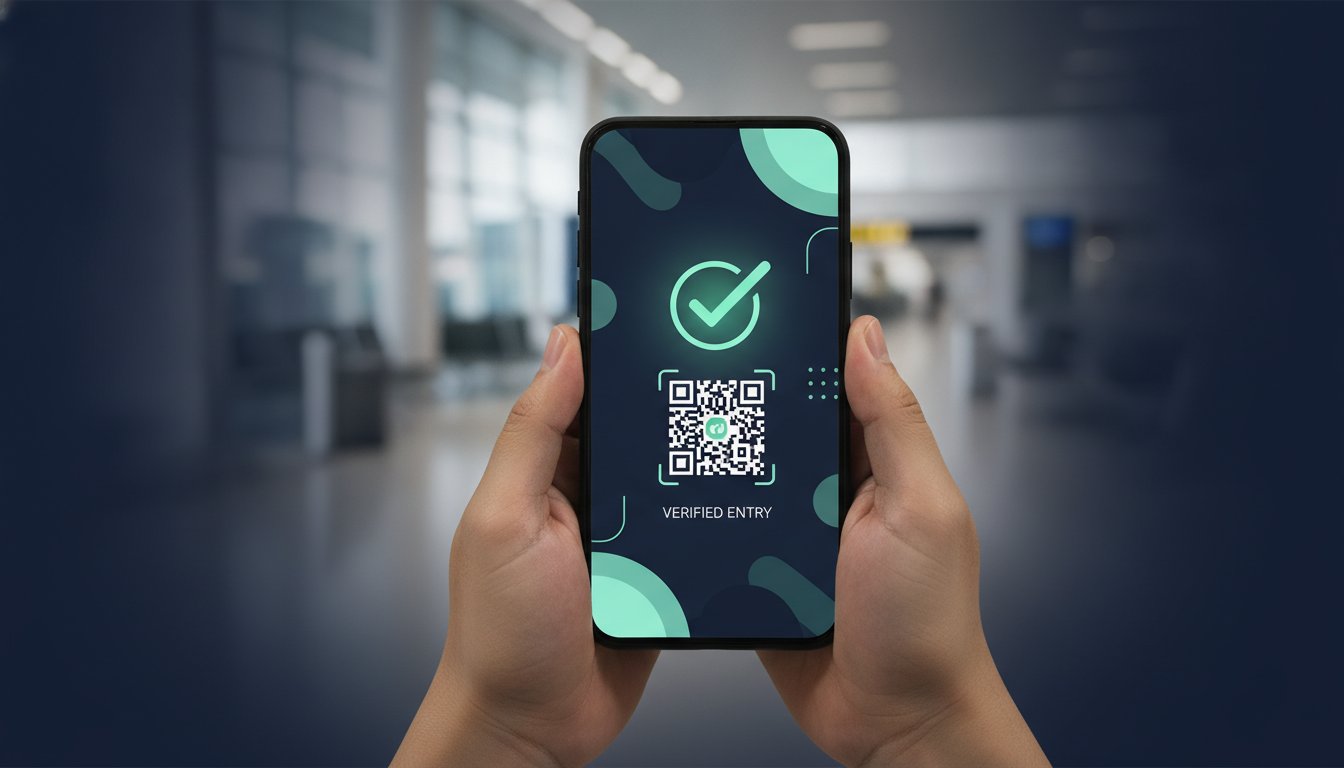
The Vietnam Digital Arrival Card is a mandatory electronic declaration designed to streamline the entry process for international visitors. Launched in early 2026, this system serves as a modern replacement for the old paper-based M3 entry and exit forms. It's a critical tool used by the Vietnam Immigration Department to manage both national security and public health data. Upon successful submission of your details, the system generates a unique QR code. You must present this code to immigration officers immediately upon arrival. For many travelers, the central question is, "do I need arrival card for Vietnam?" If your itinerary includes Ho Chi Minh City, the answer is a definitive yes.
This digital transition isn't just a simple change of format. It represents a fundamental shift in how Vietnam manages its borders. The declaration requires you to provide travel details, contact information, and health status before you even board your plane. By digitizing this data, the government can process arrivals faster and with higher accuracy than the old manual system allowed. It's a layer of security that works alongside your visa to ensure a safe environment for both tourists and residents.
The 2026 Rollout at Tan Son Nhat (SGN)
The initial phase of this digital transformation began on April 15, 2026, specifically targeting arrivals at Tan Son Nhat International Airport (SGN). As Vietnam's busiest gateway, SGN is the first to phase out paper entirely for this declaration. While travelers landing in Hanoi (HAN) or Da Nang (DAD) may still find paper forms in use, these airports are expected to transition to the digital-only model shortly. It's vital to check the specific requirements for your arrival airport, as the rollout is moving quickly. Even if you're familiar with Vietnam's visa policy, the arrival card is a separate, additional requirement that must be completed within 72 hours of your flight.
Why Vietnam Moved to a Digital System
The shift to a digital framework is part of a broader strategy to handle the 25 million visitors Vietnam expects to welcome in 2026. The primary goal is the reduction of wait times at immigration counters. Paper forms are prone to errors and slow down the queue; digital codes are scanned in seconds. This move also allows for enhanced digital tracking. If a public health concern arises, the government can quickly contact travelers based on their declaration data. By moving toward a paperless entry process, Vietnam is positioning itself as a tech-forward destination that values both security and the traveler's time. This isn't just a bureaucratic change. It's a commitment to a smoother, safer journey for every visitor.
Who Needs to Submit the Vietnam Arrival Declaration?
Clarity is the foundation of a stress-free journey. If you are currently planning a trip and asking, do I need arrival card for Vietnam, the short answer is that nearly every foreign visitor entering through a designated international airport in 2026 must comply. This rule is inclusive. It doesn't matter if you are traveling for a two-week holiday or a high-stakes business meeting. The requirement is a universal security protocol. It applies to travelers using standard e-visas, those entering under visa exemption programs, and even individuals with traditional paper visas stamped at an embassy. It's not optional. Failing to present a valid QR code before you board your flight can lead to significant delays or even a denial of boarding by your airline.
The Vietnam Immigration Department uses this data to maintain a precise record of who is entering the country and where they intend to stay. This is why official sources, such as the U.S. Embassy, have issued notices regarding the mandatory pre-arrival declaration for international visitors. While the 2026 rollout focuses heavily on air travel, the vigilance required remains the same. You are responsible for ensuring your documentation is ready before you reach the check-in counter. For those who want to avoid the technical hurdles of government portals, our Vietnam E-Visa & Arrival Declaration Assistance provides a professional review to ensure your submission is flawless.
Requirements for Families and Minors
Traveling with family requires an extra level of meticulousness. Every individual traveler needs their own unique declaration. This includes infants and young children who do not have their own devices. Parents or legal guardians are responsible for completing the digital form on behalf of minors. It's a common mistake to assume one QR code covers a whole group. In reality, the system issues one code per passport. Ensure you have a digital or printed copy for every member of your party to avoid a bottleneck at the immigration desk.
Exemptions and Special Cases
The question of do I need arrival card for Vietnam is especially critical for those in unique travel situations. If you are a transit passenger remaining within the airport's sterile zone for a connecting flight to another country, you generally don't need to submit this declaration. Similarly, domestic travelers flying between Vietnamese cities like Hanoi and Ho Chi Minh City are exempt. Diplomatic passport holders should consult their specific bilateral agreements, as protocols can vary. For the vast majority of tourists and expatriates, however, the digital card remains a non-negotiable step in the 2026 entry process.
Vietnam E-Visa vs. Digital Arrival Card: Know the Difference
Understanding the administrative landscape is crucial for any traveler. Many people assume that once they have their visa, their paperwork is finished. However, the E-visa and the Digital Arrival Card serve two entirely different purposes. The E-visa acts as your formal legal permission to stay in the country for a set period. In contrast, the Digital Arrival Card is a mandatory declaration of your travel logistics and health status. You must present both documents to the officer at the immigration desk. Simply having a visa does not exempt you from the arrival card requirement.
When applying for your entry permit through Vietnam's official e-visa portal, you are undergoing a background and security check. The arrival card is different; it's a real-time tracking tool used for logistical management at the border. If you're still wondering, "do I need arrival card for Vietnam if I'm only staying a few days," the answer remains yes. These systems work in tandem to create a secure environment for everyone entering the country in 2026.
Submission Timelines
Timing is everything when it comes to international travel. E-visas typically require three to five business days for government processing, though we recommend applying at least two weeks before your flight. The Digital Arrival Card operates on a much tighter schedule. You must submit it within 72 hours of your scheduled arrival time. This "72-hour rule" exists because your health status and flight details need to be current. If you try to apply a week in advance, the system won't accept your entry, as the data is considered stale. Don't leave it until you land; most airlines will check for your QR code before you even board.
Key Data Points Required
Accuracy in your data is the only way to ensure a smooth entry. For your visa, you'll need passport scans, professional photos, and a clear travel history for background checks. The arrival card focuses on the "now." You'll need to provide your exact flight number, your assigned seat number, and the full address of your local accommodation. It's vital that both documents have matching passport information. If there's even a minor discrepancy, you might find your arrival card rejected what to do and be forced to re-apply under pressure at the airport. Double-checking every digit is the hallmark of a prepared traveler.

Common Mistakes and How to Avoid Entry Delays
The transition to a digital system has simplified entry for many, but it has also introduced a zero-tolerance policy for data entry errors. When travelers ask, do I need arrival card for Vietnam, they often focus on the "if" rather than the "how." In reality, the success of your entry depends entirely on the precision of your submission. Even a minor oversight can lead to a flat rejection at the boarding gate. Our agents at AsianArrivalCard frequently see travelers facing avoidable stress because of easily fixed mistakes. We provide a meticulous human review of every application to catch these errors before they reach the government system.
There are three primary pitfalls that lead to invalid QR codes:
- Passport Number Typos: This is the leading cause of invalidation. Transposing a single digit or confusing the letter "O" with the number "0" makes your declaration legally mismatched with your travel document.
- Incorrect Flight Numbers: Your declaration must match the specific flight landing in Vietnam. Providing the flight number for your first leg of a multi-city journey will cause a verification failure during the 72-hour window.
- Outdated Email Access: If you use an old email or one with a typo, you won't receive the unique QR code required for entry. By the time you realize the mistake, you may be standing at the check-in counter without the necessary documentation.
The Risk of Automated Government Portals
Official government systems are designed for high-volume processing, which means they are often binary. There is no nuance; one wrong digit results in an automated rejection. These portals rarely offer real-time support for international travelers. If you encounter an error, you're left to troubleshoot the issue alone while your flight departure looms. This is why many experienced travelers opt for an arrival card human review service. Having a knowledgeable partner acts as a vital safety net, ensuring that your data is cross-referenced by an expert who understands the system's strict requirements.
Technical Glitches and OTP Issues
Technical hurdles are a common source of frustration during peak travel seasons. Many travelers struggle to receive One-Time Passwords (OTP) when using foreign mobile networks, which can stall the entire application process. Additionally, government servers can "time out" during periods of high traffic, leading to lost data and repeated attempts. A concierge service handles this technical heavy lifting for you. We manage the submission process through stable channels, protecting you from the glitches that often plague automated platforms. To ensure your entry is handled with professional precision, you can apply for your Vietnam arrival declaration through our expert team and travel with absolute peace of mind.
How AsianArrivalCard Simplifies Your Vietnam Entry
Managing new digital borders shouldn't be the most taxing part of your journey. While the answer to "do I need arrival card for Vietnam" is a clear yes for 2026, the method you choose to obtain it determines your peace of mind. We act as your meticulous private assistant. Our service bridges the gap between unforgiving government portals and a successful boarding experience. We provide expert review of every travel detail to ensure 100% accuracy before submission. With rapid processing, we often deliver valid QR codes to your inbox within 4 hours. You also gain access to dedicated WhatsApp and email support for any last-minute itinerary shifts. We stand behind our work with a full money-back guarantee if your card isn't accepted.
Our Meticulous Review Process
Every application we process undergoes a rigorous human check. We don't rely on automated scripts that miss subtle typos or transpositions. Our agents verify your flight data against real-time schedules to ensure perfect consistency with airport logs. This vigilance eliminates the rejection risks found in binary government systems. You can read more about our arrival card email delivery assistance to understand how we safeguard your documents from the moment you apply until they reach your inbox. We treat your data with the precision it deserves.
Stress-Free Travel for Frequent Flyers
Time is the most valuable asset for business travelers and frequent tourists. If you're still wondering, do I need arrival card for Vietnam before every single trip, our platform makes the answer easy to manage. We store your basic profile details securely, allowing for significantly faster future submissions. Instead of re-entering passport data for every journey, you simply provide your new flight details. It's an efficient, concierge-style approach to regional travel. See why we offer the leading arrival card registration assistance for travelers moving through Southeast Asia's busiest hubs.
Next Steps for Your Vietnam Trip
Preparing for your 2026 journey is straightforward when you have a knowledgeable partner. Gather your passport and flight confirmation today. Submit your information through our simplified Vietnam arrival declaration assistance portal. Once your details are in our hands, your part is done. You can focus on your packing and itinerary while we handle the bureaucracy. We'll ensure your QR code is ready long before you reach the airport, providing the premium relief you need to start your trip correctly.
Secure Your 2026 Vietnam Entry Today
The landscape of international travel is shifting toward total digitalization. Clearing up the question, do I need arrival card for Vietnam, is the first step toward a successful journey. You now understand that this declaration is a mandatory security layer, distinct from your visa, and requires absolute precision within a strict 72-hour window. Small errors in passport numbers or flight codes can disrupt your plans at the check-in counter.
We are here to ensure those hurdles never materialize. Our team provides a meticulous human review of every application to guarantee your data is flawless before it reaches the government portal. With an average 4-hour delivery time and dedicated WhatsApp support, we act as your protective intermediary. We even offer a 100% money-back guarantee if your arrival card is not accepted.
Don't leave your entry to chance or automated systems. Secure your Vietnam Arrival Card with human review now and focus on the excitement of your upcoming trip. Vietnam is waiting; we'll make sure you get there without a hitch.
Frequently Asked Questions
Is the Vietnam Digital Arrival Card free to submit?
Yes, the official government filing for the Vietnam Digital Arrival Card is free. It's a mandatory health and security declaration required for entry. While the declaration itself has no government fee, many travelers choose to use professional assistance services to ensure their data is verified and submitted correctly within the strict 72-hour window. This helps avoid boarding delays caused by technical errors on the public portal.
Can I fill out the arrival card at the airport after I land?
You shouldn't wait until you land, as most airlines now require the QR code to be presented during check-in or boarding. If you arrive at Tan Son Nhat (SGN) without it, you may face significant delays or be required to complete it on your mobile device using airport Wi-Fi. It's far safer to have your QR code ready and verified at least 24 hours before your flight departs.
What happens if I make a mistake on my Vietnam arrival card?
A mistake on your card, such as an incorrect passport number or flight code, usually renders the QR code invalid. Immigration officers at the border require the digital data to match your travel documents exactly. If a discrepancy is found, you'll likely be asked to resubmit the form entirely, which can be stressful in a busy immigration hall. Our human review service is designed specifically to catch these errors before submission.
Do I need a separate arrival card if I already have a Vietnam E-visa?
Yes, you must complete the arrival card even if you already hold a valid e-visa. The e-visa is your legal permission to enter, while the arrival card is a logistics and health declaration. If you're asking, do I need arrival card for Vietnam while traveling on a visa exemption, the answer is also yes. Both documents are required for a successful entry at SGN in 2026.
How far in advance can I submit my Vietnam Digital Arrival Card?
You can submit your declaration up to 72 hours before your scheduled arrival time in Vietnam. The system is designed to capture current health and travel data, so entries made earlier than this window won't be accepted. It's a tight timeframe that requires careful planning, especially for long-haul flights. We recommend submitting your details as soon as the 72-hour window opens to ensure ample time for processing.
Do infants and children need their own QR code for Vietnam?
Every traveler, regardless of age, must have their own unique QR code linked to their passport. Parents or guardians should complete the digital declaration on behalf of infants and children. Since the system issues codes per individual document rather than per family, you must ensure every member of your group has a digital or printed copy of their specific code before reaching the immigration desk.
Is the digital arrival card required for land border crossings?
As of June 2026, the digital arrival card is primarily mandatory for air travelers arriving at Tan Son Nhat International Airport (SGN). Land border crossings and other international airports like Hanoi (HAN) may still utilize paper forms or have different protocols. However, the digital rollout is expanding quickly. Always verify the specific requirements for your port of entry 72 hours before you plan to cross the border.
What should I do if I don’t receive my QR code via email?
First, check your spam or junk folder, as automated government emails are frequently filtered out. If it's still missing, it's possible there was a typo in your email address or a technical glitch on the portal. This is a common pain point for travelers using automated systems. Using a concierge service ensures you have a direct point of contact and a guaranteed delivery of your QR code to your preferred inbox well before you head to the airport.


